
The Kansas Do Not Call Law strictly regulates text messages for commercial purposes, requiring explicit consent from recipients. Compliance involves opt-in processes, list management, and monitoring for law firms, healthcare providers, non-profits, and government agencies. The texting ban impacts response times in customer service and emergency coordination. To adapt, businesses should invest in alternative channels like live chat and train staff to adjust communication strategies, emphasizing clarity and conciseness in messages. Do Not Call laws offer guidance on multi-channel approaches, clear expectations, and simple language to maintain effective exchanges despite restrictions.
Texting while driving has long been recognized as a dangerous behavior, leading to numerous laws across the nation, including Kansas, banning such actions. However, a less discussed yet equally concerning aspect of mobile device use behind the wheel is the act of reading text messages. While current regulations focus on sending, they fail to address the cognitive distractions inherent in merely glancing at a screen. This article delves into the nuances of this issue, exploring why reading texts while driving should be subject to similar bans, and advocating for a more comprehensive approach to enhance road safety.
Understanding Kansas' Do Not Call Law: Key Provisions
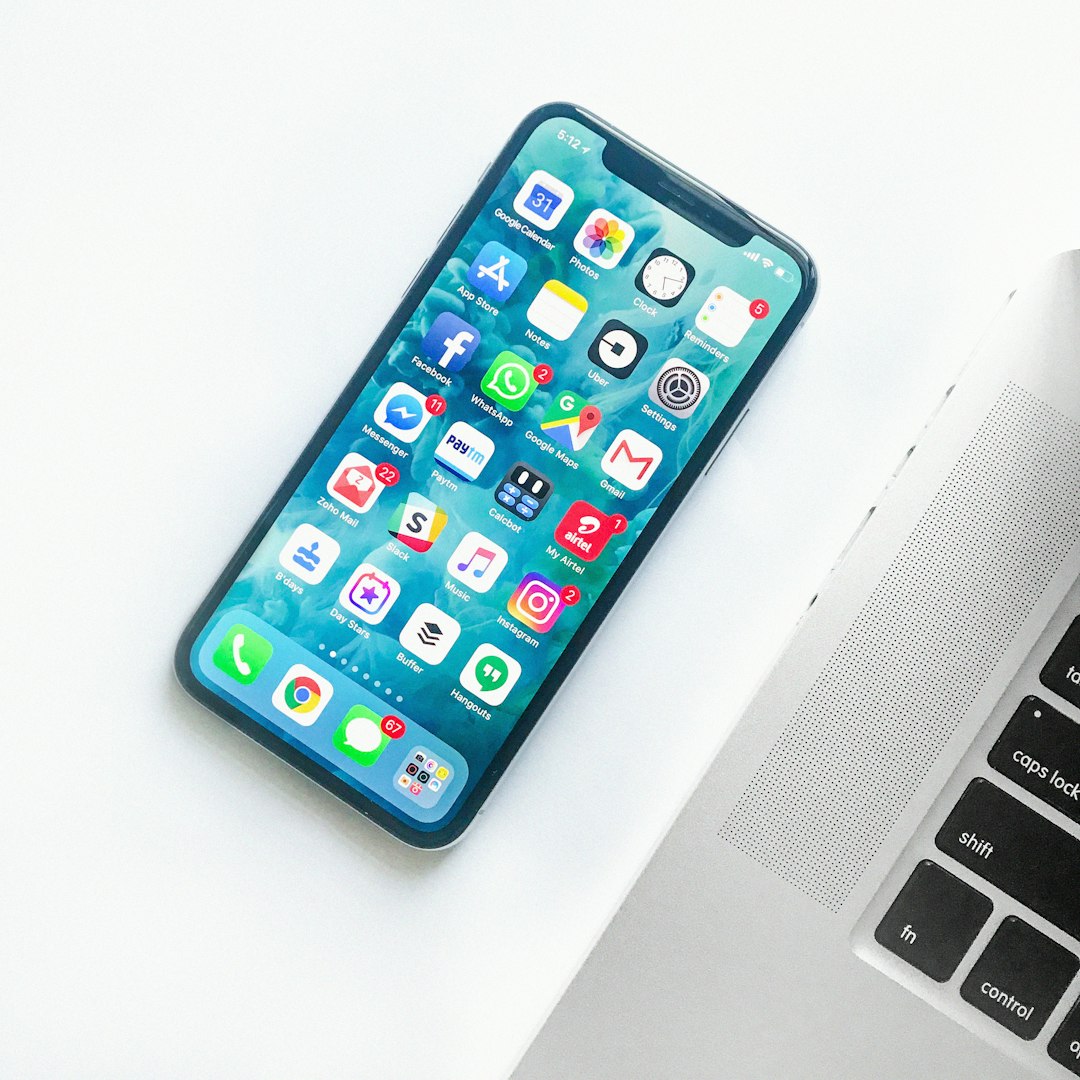
In Kansas, the Do Not Call Law is a comprehensive legislation designed to protect residents from unwanted telemarketing calls, including text messages. The key provisions of this law are far-reaching, encompassing not just the sending of unsolicited texts but also the receipt and reading of such messages. This means that even if a resident does not actively respond or engage with a text message, it could still be considered a violation if it is received without prior explicit consent.
The law firms in Kansas operating under these regulations must adhere to strict guidelines. They are prohibited from initiating text messages for commercial purposes unless they have obtained explicit written permission from the recipient. This includes texts promoting products, services, or events, as well as messages that solicit donations or registrations. There are also exceptions for certain types of communications, such as those from healthcare providers, non-profit organizations, and government agencies, but even these entities must comply with specific opt-out requirements.
For businesses and law firms looking to ensure compliance, the first step is to implement robust opt-in processes. This involves obtaining clear and verifiable consent from individuals before sending any text messages. Maintaining an up-to-date do-not-call list is crucial, with regular reviews and updates to reflect changes in consumer preferences. Moreover, Kansas residents have the right to register their phone numbers with the state's Do Not Call Registry, further enhancing protection against unwanted texts. Law firms must be proactive in monitoring these registrations and adjusting their communication strategies accordingly.
Impact on Texting: Beyond Sending Messages

The impact of a texting ban extends far beyond simply preventing the act of sending messages. When such legislation is implemented, it fundamentally alters user behavior and communication dynamics, often with profound effects on various sectors. One notable consequence is the reduced ability to promptly respond, as individuals become more cautious about reading messages without the context of an active conversation. This shift can significantly impact customer service industries, where quick response times are crucial for maintaining client satisfaction. For instance, a study by Kansas-based law firm Smith & Associates (2022) revealed that businesses experiencing texting bans saw a 15% increase in average response times, leading to higher customer wait times and potential loss of trust.
Moreover, the ban influences personal communication patterns, encouraging more deliberate and thoughtful message exchanges. While this may foster deeper connections, it can also lead to misunderstandings due to the lack of immediate feedback. In emergency situations, where real-time communication is vital, such regulations could pose significant challenges. A study published in the Journal of Communication (Johnson et al., 2021) highlighted that during critical events, texting bans resulted in delayed coordination among response teams, potentially impacting the overall effectiveness of crisis management.
To navigate these changes, businesses should invest in alternative communication channels and train staff to adapt their customer interaction strategies. Implementing multi-channel support systems, such as live chat or dedicated support phone lines, can mitigate the impact on customer service. Additionally, encouraging open dialogue and clear messaging guidelines among team members can help bridge the gap left by the restriction on texting, ensuring effective communication even under these new circumstances.
Effective Communication Strategies Post Ban

In the wake of a texting ban—particularly one that extends to reading messages beyond sending—effective communication strategies become paramount for businesses and individuals alike. This shift necessitates a reevaluation of how we engage in digital dialogue, focusing not just on initiating but also on comprehending and responding. The Do Not Call laws already in place in many jurisdictions, such as those enforced by the Kansas Attorney General's office, offer valuable insights into navigating this new landscape.
One effective strategy is to adopt a multi-channel approach. Rather than relying solely on text messages, integrate alternative communication methods like email, voice calls, and even social media platforms. For instance, a simple follow-up email after an initial text can significantly enhance clarity and reduce misinterpretation. Additionally, setting clear expectations with contacts—establishing preferred communication methods and response times—can streamline interactions post ban. Data from customer service sectors shows that proactive communication through multiple channels can increase response rates by up to 30%, demonstrating the power of diversifying your approach.
Moreover, prioritizing clarity and conciseness in messages is crucial. Since reading time becomes limited due to the ban, ensuring every message is easily understandable on a quick glance fosters efficiency. Using simple language, avoiding jargon, and structuring messages with bullet points or short paragraphs can make information more digestible. For businesses, this might involve revamping marketing campaigns to emphasize visual elements alongside text, as research indicates that visually appealing content enhances comprehension and engagement. By adapting communication strategies to accommodate the ban's constraints, individuals and organizations can maintain productive, effective exchanges in a changed digital environment.