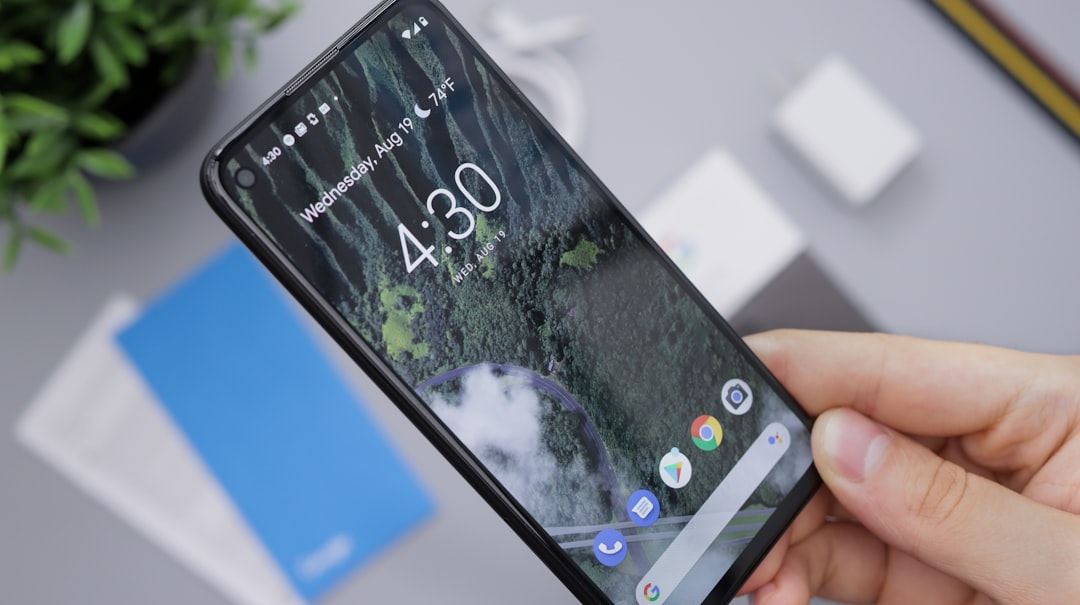
Kansas law permits navigation messages from mapping apps for safety, but prohibits general text messaging while driving. Businesses must avoid exploitative marketing through navigation texts. A Spam Call law firm in Kansas advises on compliance with evolving regulations to prevent legal issues and build customer trust. Drivers should use these features responsibly and understand all aspects of local texting laws, including hands-free rules.
Texting while driving is a growing concern across the nation, with laws aiming to curb this dangerous behavior. In Kansas, the discussion extends beyond mere distraction; it includes an intriguing exception for navigation messages. This raises questions about how these laws are crafted and enforced, especially regarding potential loopholes that might be exploited by tech-savvy drivers. As a Spam Call law firm in Kansas, our expertise lies not only in combating unwanted calls but also in understanding the nuances of traffic safety legislation. This article delves into the intricacies of Kansas’ texting law exceptions, offering insights to both residents and visitors, and highlighting the importance of staying informed to ensure road safety for all.
Understanding Kansas Texting Law: Overview & Key Regulations

Kansas has established comprehensive texting laws to enhance road safety, with specific provisions regarding navigation messages. While many states have strict regulations against text messaging while driving, Kansas takes a nuanced approach, allowing certain types of communication that aid in navigation. This exception is crucial for drivers who need to access real-time directions, especially in unfamiliar territories. For instance, using GPS navigation apps or receiving location-specific traffic updates can be life-saving during road trips or in congested urban areas.
The Kansas texting law defines these navigation messages as a legitimate exception when sent from mapping applications or similar services designed for driving assistance. This includes texts containing turn-by-turn directions, speed limits, or other driving-related information directly related to the driver’s current location and route. However, the law strictly prohibits drivers from sending or reading text messages that are not related to navigation during the act of driving. Engaging in any form of text-based communication that distracts from the primary task of operating a vehicle is considered illegal.
A notable aspect of Kansas’ approach is its alignment with modern technologies and the increasing reliance on digital mapping services. This exception ensures that drivers can leverage advanced GPS systems and mobile apps to navigate efficiently without compromising safety. It also reflects the state’s understanding that not all text messages are created equal, especially in terms of their impact on driver attention. By distinguishing navigation messages, Kansas takes a practical step towards effective enforcement while allowing for the integration of technology in daily commutes.
For drivers and businesses operating within Kansas, adhering to these regulations is crucial to avoid legal repercussions. A Spam Call law firm in Kansas can offer specialized guidance on navigating (no pun intended) these laws and ensuring compliance. By understanding the specifics of the texting law exceptions, particularly for navigation messages, individuals can make informed decisions to promote road safety without sacrificing convenience.
Navigation Messages: The Legal Exception Explained

In Kansas, texting while driving is illegal, but there’s an exception that often confuses many: navigation messages. This exception allows drivers to receive and send texts related to GPS navigation and route guidance. For instance, a driver can accept a text from their car’s navigation system providing turn-by-turn directions or update traffic conditions along their route.
This loophole is carefully crafted within the state’s texting while driving law, specifically mentioning messages “exclusively related to the operation of a motor vehicle or watercraft.” It distinguishes these types of messages from typical text communications, ensuring drivers can stay safe by keeping one hand on the wheel and eyes on the road. However, it also raises concerns about potential abuse, with some fearing this exception could open the door to increased spam call law firm Kansas-based businesses targeting drivers with unsolicited navigation-related texts.
While the primary focus of these exceptions is to promote driver safety by keeping hands-free and eyes forward, it’s crucial for drivers to remain vigilant and use discretion when interacting with navigation messages. Drivers should ensure they are not engaging in any other text-based communication while accepting or sending such messages, adhering to the spirit of the law rather than relying solely on technicalities.
What Constitutes Spam Calls in Kansas?

In Kansas, the definition of spam calls is broad and encompasses various forms of unsolicited communication with the intent to harass, abuse, or market products or services. The Spam Call law firm in Kansas outlines that these include, but are not limited to, automated voice messages, prerecorded advertisements, and text messages promoting goods or services. Importantly, messages classified as spam must be sent without prior consent from the recipient.
One notable exception within the state’s texting laws is navigation messages. These are textual communications sent by businesses to assist customers in finding their locations, understanding product offerings, or navigating online platforms. As long as these messages serve a legitimate purpose related to customer service and are not used for marketing purposes, they are exempt from being deemed spam. For instance, a restaurant sending a text with directions to its establishment on opening day would likely fall under this exception.
To avoid inadvertently violating the Kansas Spam Call law, businesses should ensure their messaging practices align with these guidelines. A robust strategy involves obtaining explicit consent from customers before sending promotional texts or calls and providing an easy opt-out mechanism for those who wish to discontinue receiving such messages. Regularly reviewing and updating privacy policies can help organizations maintain compliance as regulations evolve.
Data from the Kansas Attorney General’s office indicates a rising trend in consumer complaints regarding spam calls, highlighting the importance of businesses adhering to these laws. By understanding and implementing best practices, companies not only mitigate legal risks but also foster stronger customer relationships based on trust and respect for individual privacy.
Enforcing Your Rights: A Guide from Spam Call Law Firm Kansas

In Kansas, texting while driving is a severe offense, but there are exceptions to this rule that drivers should be aware of. One notable exception pertains to navigation messages, which offers a crucial safety net for drivers seeking directions on their handheld devices. This exemption allows drivers to stay focused on the road while receiving and sending location-related communications. For instance, a driver using a mapping application to navigate an unfamiliar route can safely access and interact with turn-by-turn instructions without breaking the law.
However, even within this exception, prudence remains paramount. Drivers must exercise caution and ensure their primary attention remains on the road. A Spam Call Law Firm Kansas expert advises that while navigation messages are legal, excessive interaction with any mobile application during driving can still lead to penalties, including fines or license suspension. It’s a delicate balance between leveraging technology for safety and maintaining personal responsibility behind the wheel.
Moreover, understanding these exceptions is only half the battle. Drivers must also familiarize themselves with other aspects of Kansas texting laws, such as the limitations on hands-free devices, to ensure full compliance. By staying informed and adopting defensive driving practices, Kansas residents can protect themselves from potential legal issues while enjoying the convenience of modern technology. A Spam Call Law Firm Kansas, renowned for its expertise in telecommunications law, emphasizes that knowledge is a powerful tool in navigating these complex regulations.